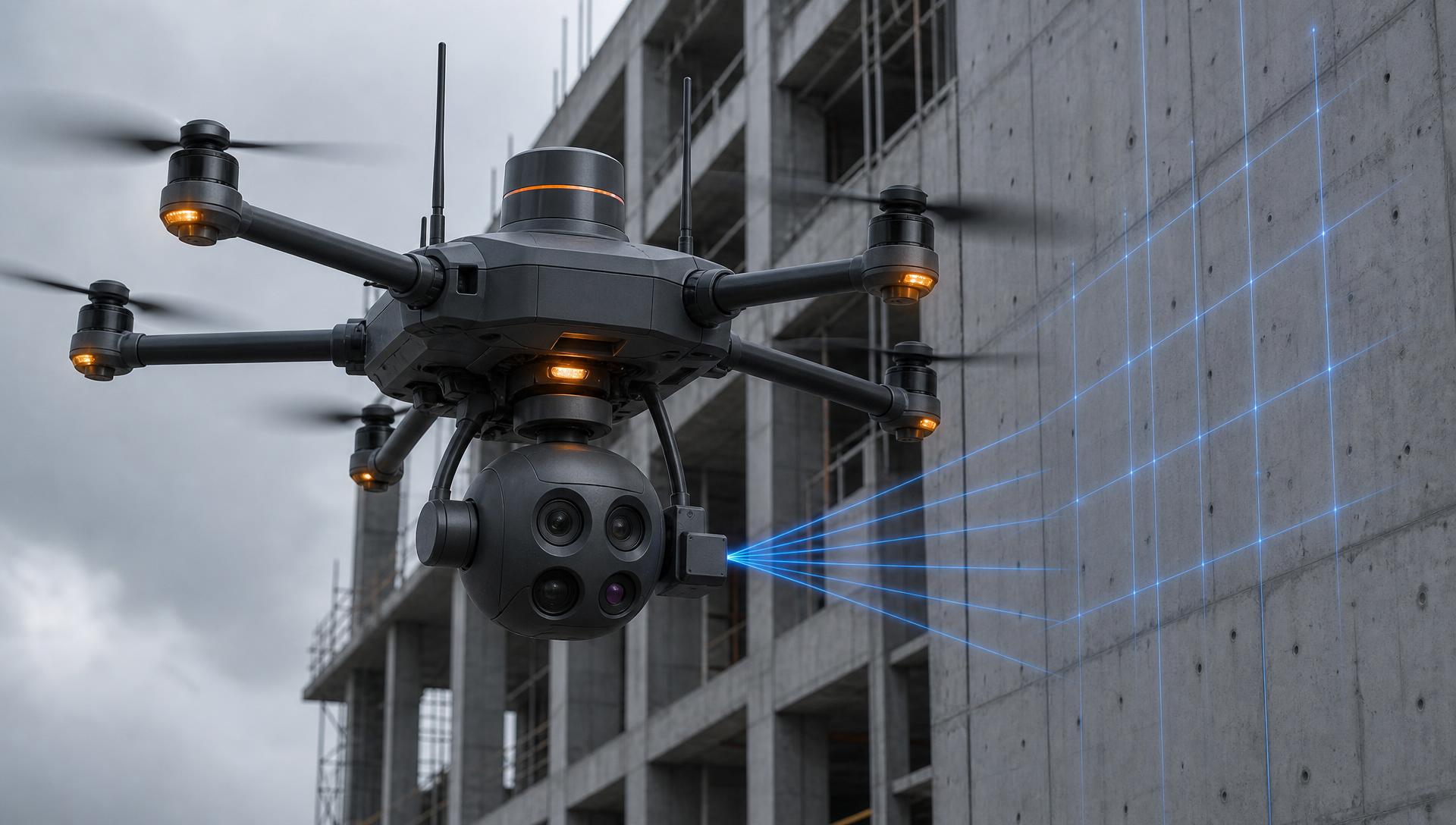

Inspection drone hovering beside the glass facade of a high-rise under construction at sunset

90%

inspection time cut with autonomous exterior capture

60–80%

envelope program cost reduction vs scaffold access

50×50

cm opening a caged indoor platform passes through

cm

level accuracy from post-processed indoor SLAM

What it costs when nobody’s watching

Rework alone costs the U.S. construction industry an estimated $65 billion a year — and nearly half of it traces back to something nobody caught in time.

~$65B / yr

U.S. construction rework cost — about 5% of $1.3T in total construction spend.

Source: Autodesk / FMI, Harnessing the Data Advantage in Construction (2020/2022)

~$31B / yr

rework tied to bad, missing or wrong project data — 48% of all rework traced to poor communication and missing information.

Source: PlanGrid / FMI, Construction Disconnected (2018, ~600 professionals)

5–9%

of total project cost lost to rework on a typical job; 20–30% on troubled projects.

Source: Construction Industry Institute; Dodge Data & Analytics, SmartMarket Report on Project Rework (2018)

52%

of total cost overrun on a project traces back to rework.

Source: CII, analysis of 150+ industrial construction projects

$60.1M

average U.S. construction dispute value, averaging 12.5 months to resolve.

Source: Arcadis, 2025 Global Construction Disputes Report

$15.8B / yr

industry-wide cost of poor system and data interoperability.

Source: NIST GCR 04-867 / NIBS, Cost Analysis of Inadequate Interoperability (2004)

Government-grade sources (BLS, OSHA, NIST/NIBS) are cited as published. Industry research (Arcadis, FMI/Autodesk, CII, NSC) is survey- and estimate-based. Vendor case studies and vendor pricing pages are labeled where used and should be read as documented examples, not industry averages.

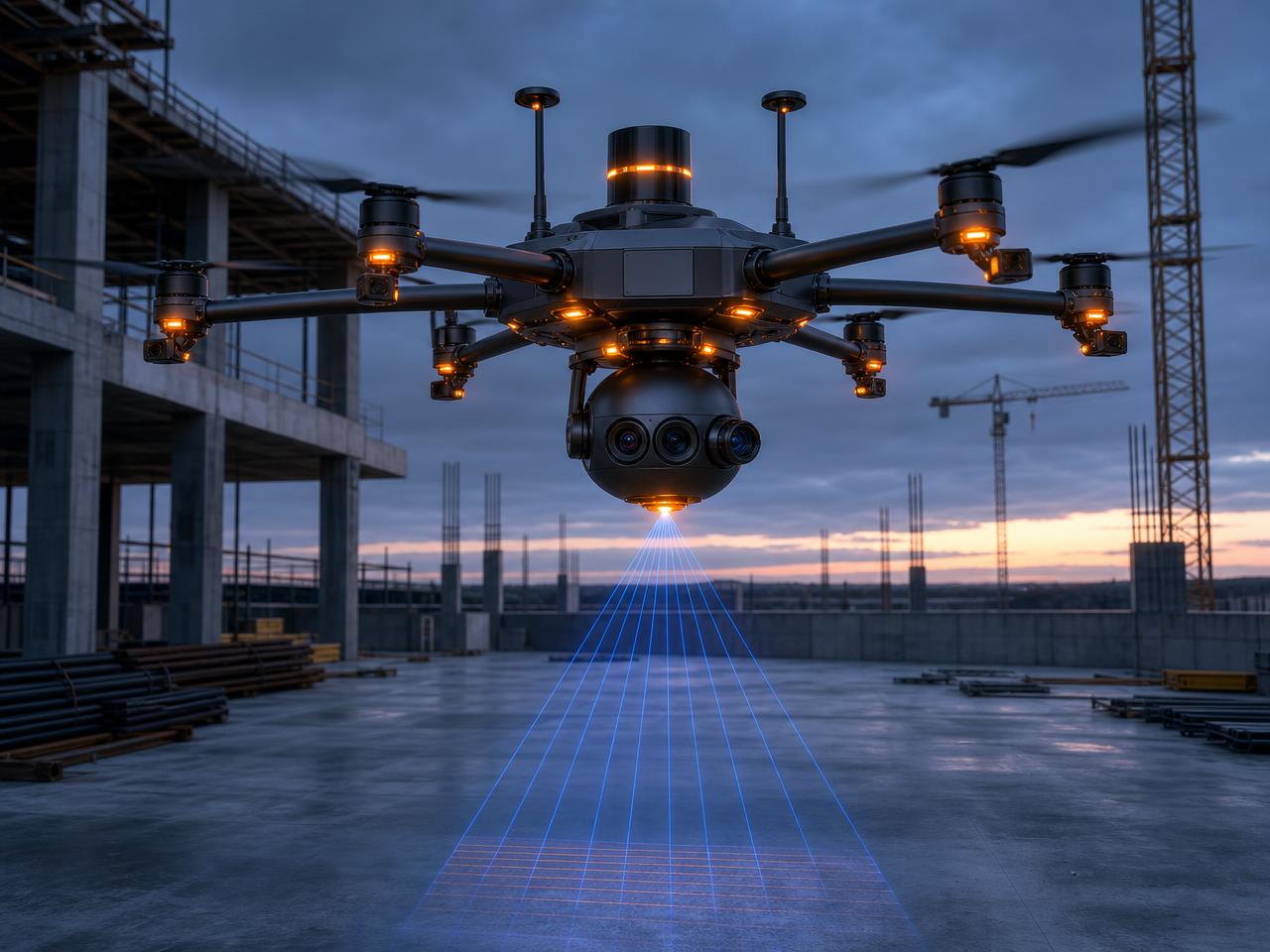
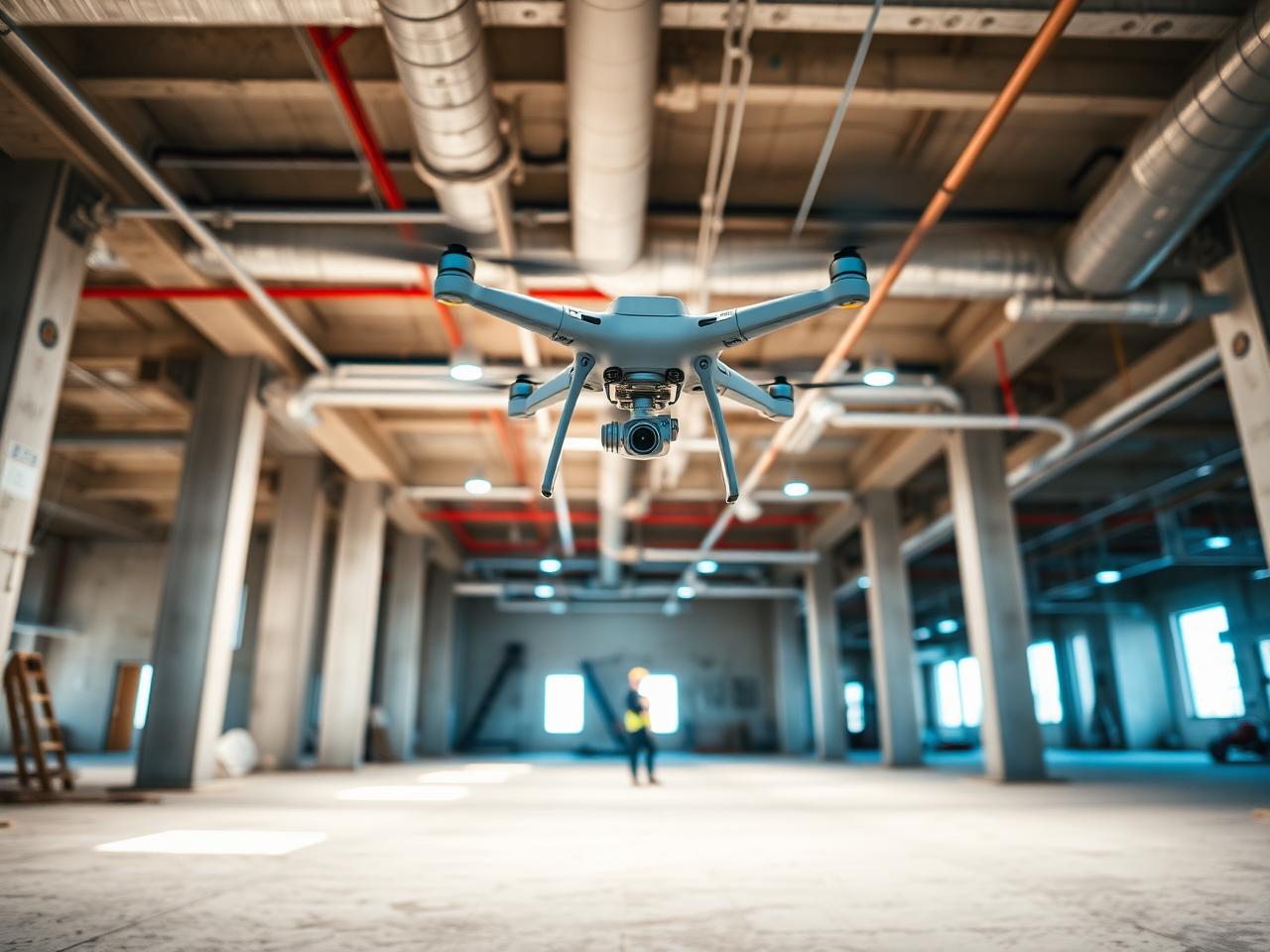
Autonomous multi-sensor inspection drone flying over an empty construction deck at dawn, casting blue laser scan lines
06:00 · Site empty

Before anyone clocks in

The 06:00 sweep runs on an empty site

The aircraft flies its route before the first crew badges in — no workers under the rotors, no trades to work around, no one standing in a scan. By the time the gate opens, yesterday's work is measured, the exceptions are written, and the foreman's board already says which zones are clear and which need rework before they get covered.

  • 05:45

    Aircraft launches from its dock on the scheduled route

  • 06:10

    Deck, columns and rough-in captured with the site still empty

  • 06:30

    Exceptions written against the drawings and flagged

  • 07:00

    Crews walk on to a board that already knows what needs fixing

It also removes the safety argument entirely: an empty deck means no overflight of people — the condition your own safety policy wants anyway, verified internally and reported only to management.

Capture to decision

The aircraft is the cheapest part of the pipeline

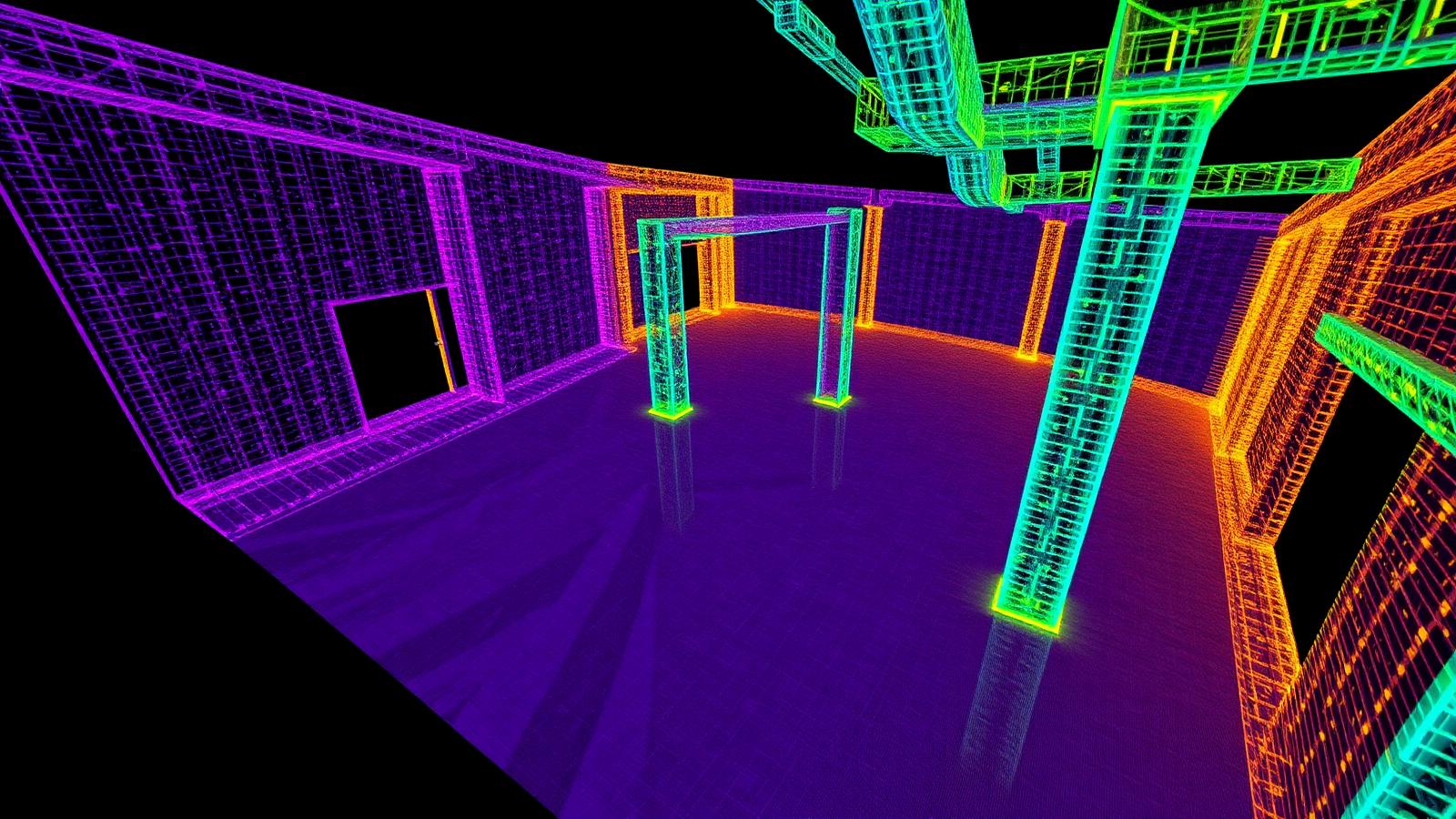
Colorized LiDAR point cloud of a building interior showing walls, columns and ductwork
  1. 01CaptureRGB, thermal, LiDAR, gas warning
  2. 02RegisterProcessing, SLAM alignment, georeferencing
  3. 03DeliverOrthomosaic, mesh, point cloud, report
  4. 04CompareBIM, schedule, asset register, claim narrative
  5. 05ActIssue ticket, repair scope, payment support, closeout

Eight monetizable tasks

The portfolio

Interior progress & as-built capture
01

RGB · RTK · visual SLAM

Interior progress & as-built capture

Repeatable indoor routes across open floors, corridors, atria and parking levels. Orthomosaics, meshes and time-stamped milestone evidence that back billing and coordination.

Pricing signal
$500–$2,000 / visit · $1k–$3k / month
Revenue potential
High

Cost of not catching it

48%

of all construction rework is attributed to poor collaboration; 26% specifically to miscommunication between trades and stakeholders.

Contractors running continuous capture report finding productivity problems at 10% completion instead of the traditional 50% — by 50%, the cost and schedule impact is already locked in (OpenSpace / Commodore Construction case data). Design- and coordination-related rework has fallen from ~9% to 1–2% of project cost since the 1990s, credited to exactly this kind of documentation and verification workflow (PlanRadar synthesis of CII and peer-reviewed data, 2025).

Source: PlanGrid / FMI, Construction Disconnected (2018)

Most sites catch a problem when someone happens to walk past it. That's not a monitoring system — it's luck on a schedule.
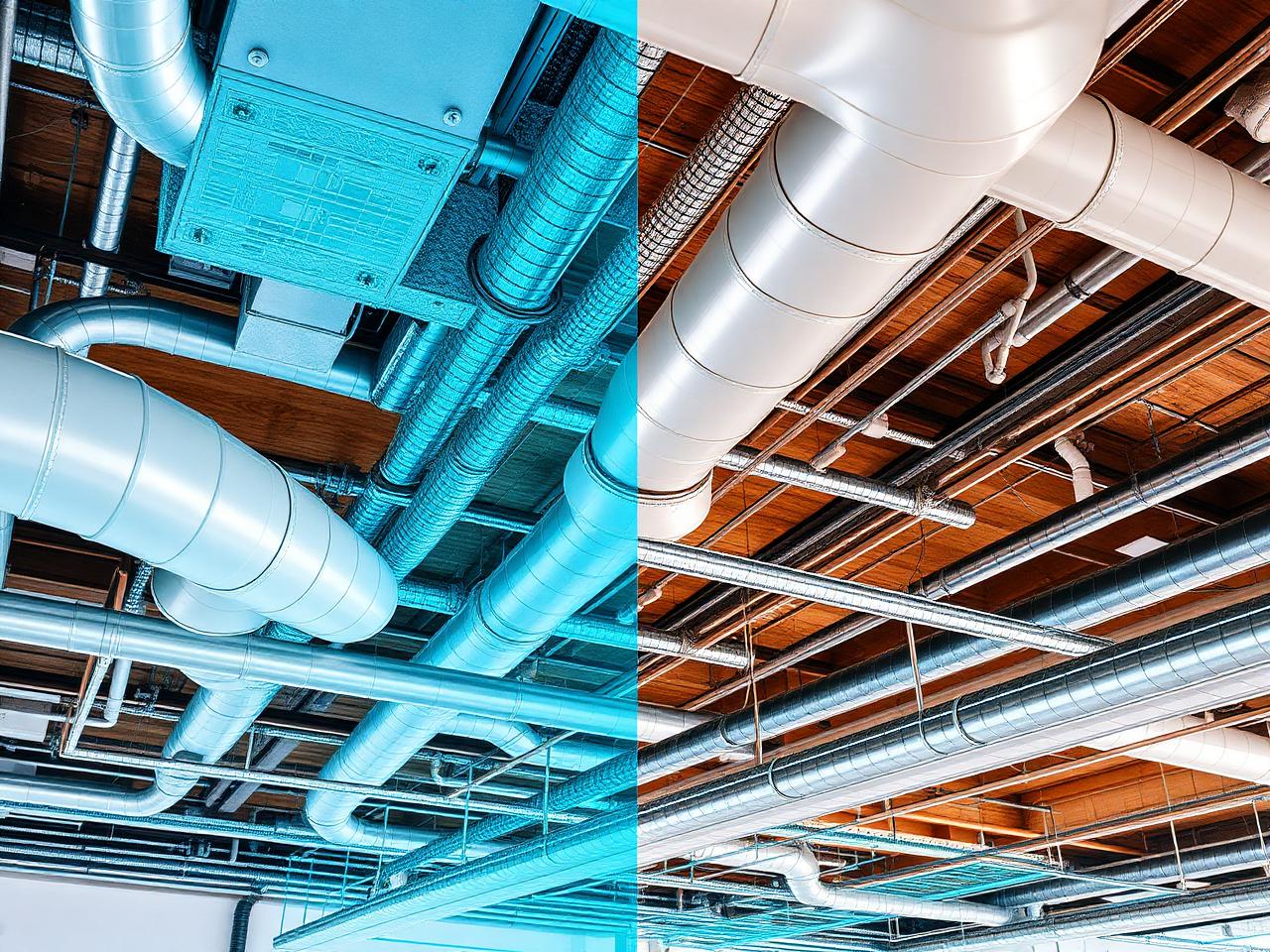
MEP rough-in & pre-close QA
02

LiDAR · SLAM · dense RGB

MEP rough-in & pre-close QA

Capture overhead rough-in before drywall and ceilings hide it, register the cloud, compare against the coordination model and issue deviation reports before the next trade is blocked.

Pricing signal
$0.20–$0.70 / sq ft capture
Revenue potential
High

Cost of not catching it

up to 70%

of all construction rework traces back to engineering, design and coordination errors — the class of error a scan-vs-BIM pass catches before cover-up.

Design-related rework alone has been measured as high as 9.5% of total project cost on industrial projects (Burati et al.). On a representative $50M commercial build, the find-it-after-the-fact tax — RFIs plus the resulting change orders — runs $2.5M–$5M, largely traceable to conflicting or missing field information (Flikt.AI 2026 RFI benchmark, drawing on Dodge Data & Analytics and FMI/Autodesk).

Source: Peer-reviewed rework literature, summarized across multiple studies

Every foot of duct, pipe or conduit that gets covered before it's checked is a bet that nothing's wrong back there. The industry's own data says that bet loses often enough to cost $65 billion a year.
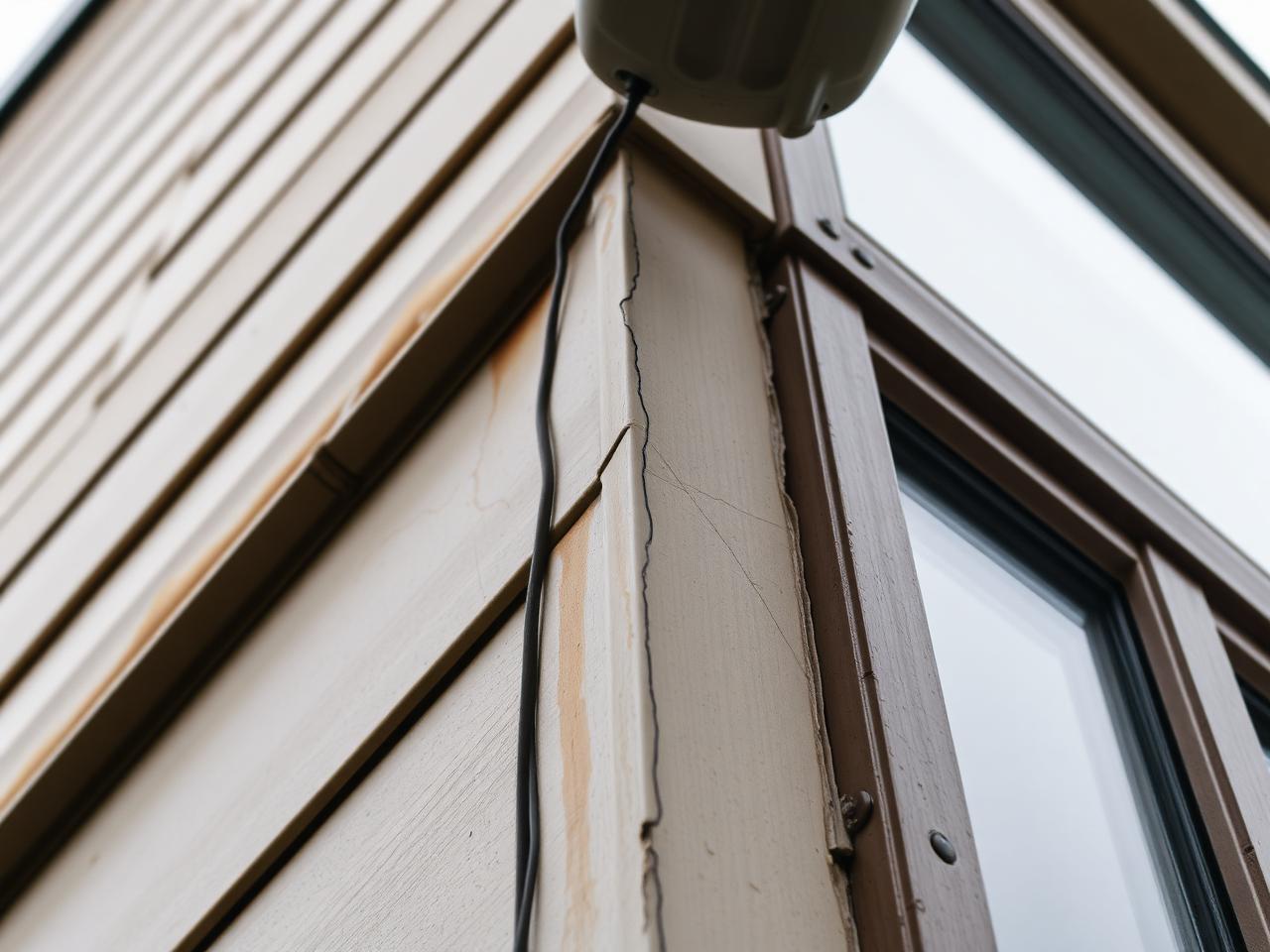
Facade, cladding & sealant
03

RGB zoom · thermal · rangefinder

Facade, cladding & sealant

Close-range elevation passes replace swing stage, rope access and lifts for initial condition assessment. Defect maps, meshes and repair-priority packages.

Pricing signal
$4k–$12k vs $37k–$75k scaffolded
Revenue potential
Very high

Cost of not catching it

389

fatal falls in U.S. construction in 2024 — 38% of all construction fatalities, and 95.9% of them falls to a lower level.

A scaffold setup reaches only 10–15% of a facade; a drone pass covers 90–100% in the same engagement (Aerially.ai; iScano). Drone-based facade inspection runs $4,000–$12,000 against $37,000–$75,000 scaffolded on a 15-story tower — a 60–80% reduction (iScano, 2026; vendor pricing, not a third-party audit). A single lost-time construction injury costs $35,000–$42,000 direct, and the National Safety Council puts a fatal work injury above $1.3 million.

Source: U.S. Bureau of Labor Statistics, Census of Fatal Occupational Injuries (2024, released Feb. 2026)

A scaffold drop finds what's on the 10% of the wall it touches. A drone pass finds what's on all of it — and nobody has to be up there to find it.
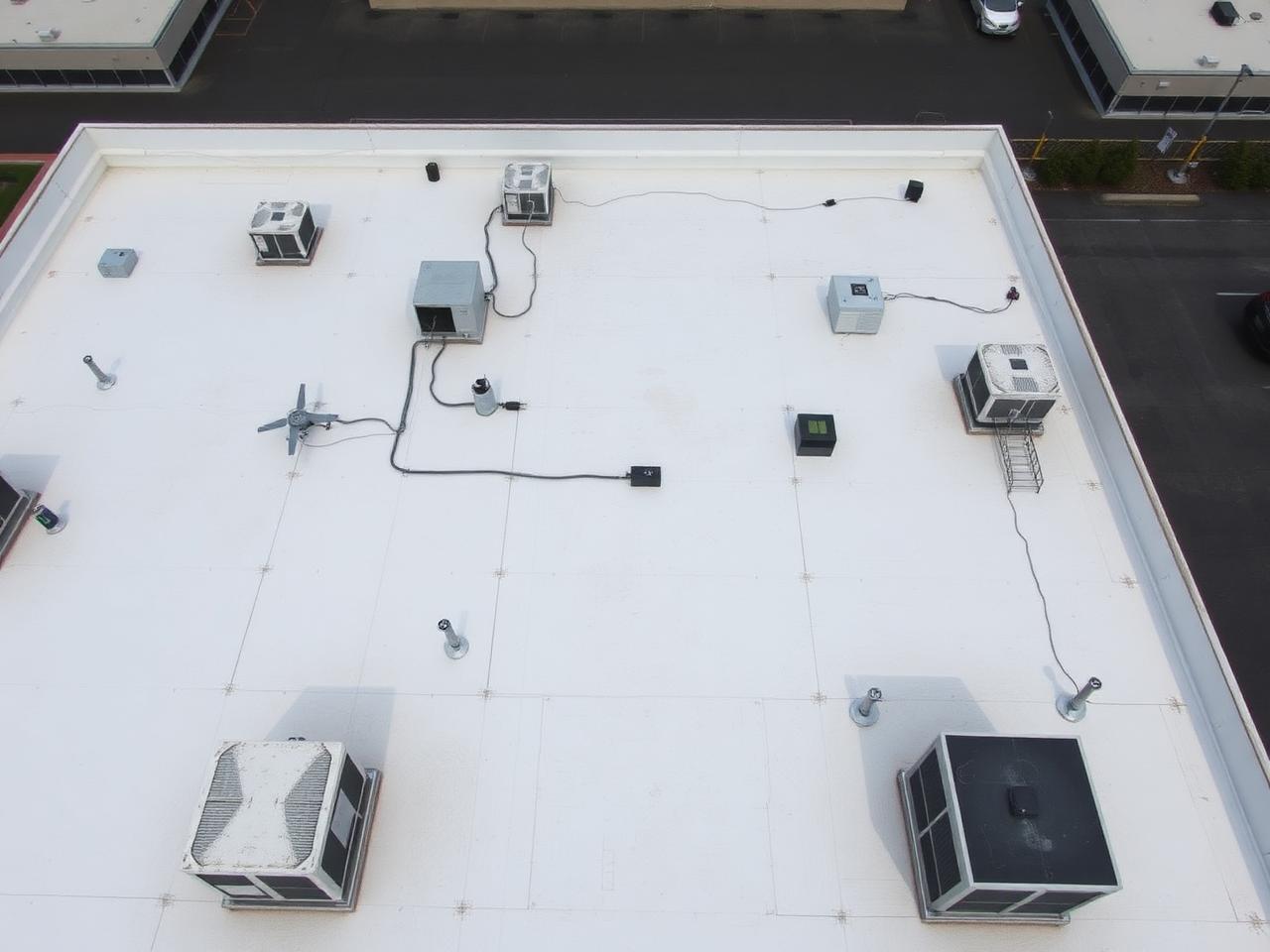
Roof inspection & moisture screening
04

RGB · radiometric thermal

Roof inspection & moisture screening

The most mature reducible-risk product. Seams, penetrations, ponding, flashing and impact damage annotated on an orthomosaic estimators and adjusters can measure directly.

Pricing signal
$150–$400 residential · $750–$3,500 commercial
Revenue potential
Very high

Cost of not catching it

5–9% vs tear-off

repair cost if trapped moisture is caught in the warranty window, against full membrane reconstruction once it spreads — frequently cited above $150,000 for a single building.

ASTM C1153 positions thermal roof screening as a controlled verification workflow precisely because an ordinary visual roof walk misses subsurface moisture until it shows up as a stained ceiling tile or a failed membrane.

Source: Aerially.ai roof/facade cost guides (2026) — industry marketing figure, not an audited statistic

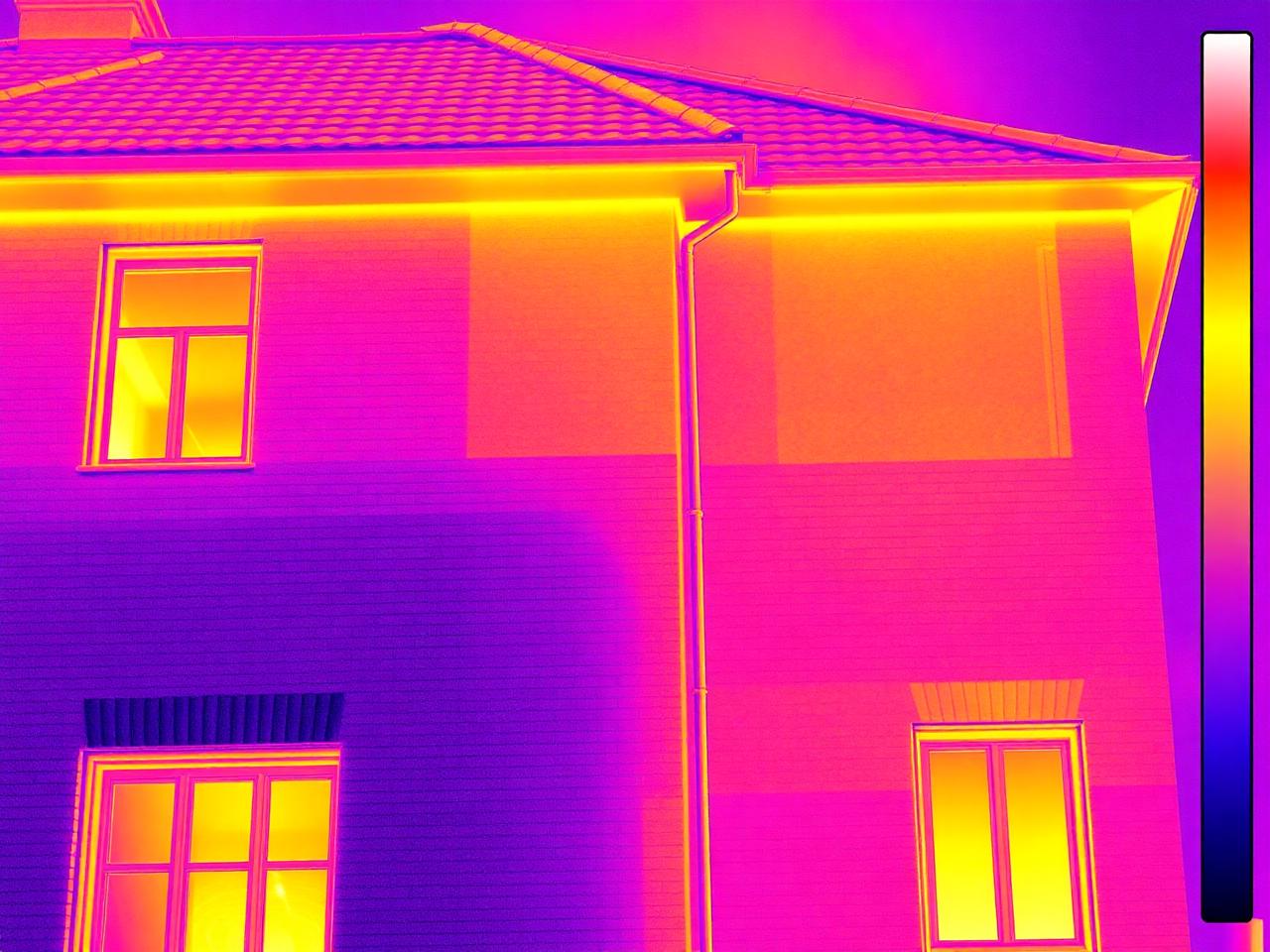
Thermal & envelope energy audit
05

Radiometric IR + RGB registration

Thermal & envelope energy audit

Flown at meaningful thermal contrast to surface air leakage, insulation gaps and trapped moisture that RGB never shows. Output is a prioritized retrofit package.

Pricing signal
from ~$3,500 · $1.5k–$5k typical
Revenue potential
High
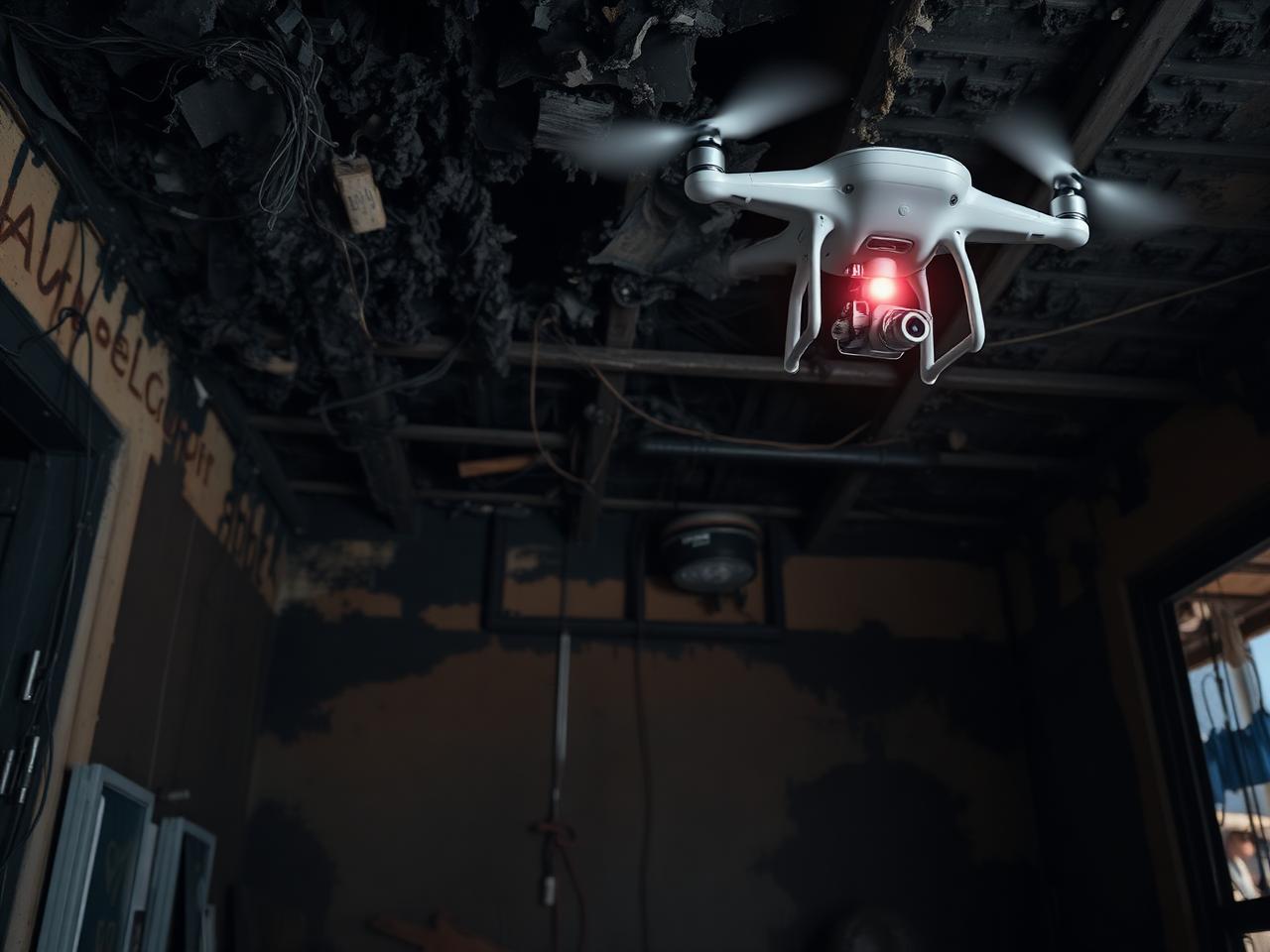
Confined space & damaged interiors
06

Caged LiDAR · SLAM · floodlight

Confined space & damaged interiors

Shafts, attics, crawlspaces, plenums and no-entry rooms assessed without a person inside. Collision tolerance, zero-light imaging and GPS-denied stability are mandatory.

Pricing signal
Mobilization + specialty day rate
Revenue potential
Medium–high

Cost of not catching it

$1.3M+

average cost of a single fatal workplace injury — the category permit-required confined-space entry sits squarely inside.

OSHA names atmospheric, electrical, explosion and asphyxiation hazards as the defining risks of permit-required confined spaces in construction (29 CFR 1926 Subpart AA). Vendors report up to 90% cost reduction and up to 10× faster inspection versus scaffold and rope access (Flyability, Elios 3 UT payload materials, 2024); one documented 250 m hull survey avoided roughly 10,000 hours of at-height and confined-space exposure and about $1,000,000 in scaffolding for that single inspection (Flyability case study — self-reported, treat as an example, not an average).

Source: National Safety Council, Injury Facts

Nobody has ever been hurt by a shaft, a plenum or a crawlspace a drone flew instead of them.
Claims, forensic & dispute record
07

RGB · thermal · optional LiDAR

Claims, forensic & dispute record

Rapid, time-stamped capture of post-loss and pre-existing condition. Measurable models and an internal timeline held by your management team for their own record.

Pricing signal
$1,500–$3,000 / package
Revenue potential
High

Cost of not catching it

$60.1M · 12.5 months

average value and duration of a North American construction dispute.

The most common root cause Arcadis has recorded every year since it began tracking is failure to properly understand or comply with contract obligations — exactly the ambiguity a time-stamped internal record removes. Without that file, what happened and when becomes dueling testimony instead of a dated record.

Source: Arcadis, 2025 Global Construction Disputes Report

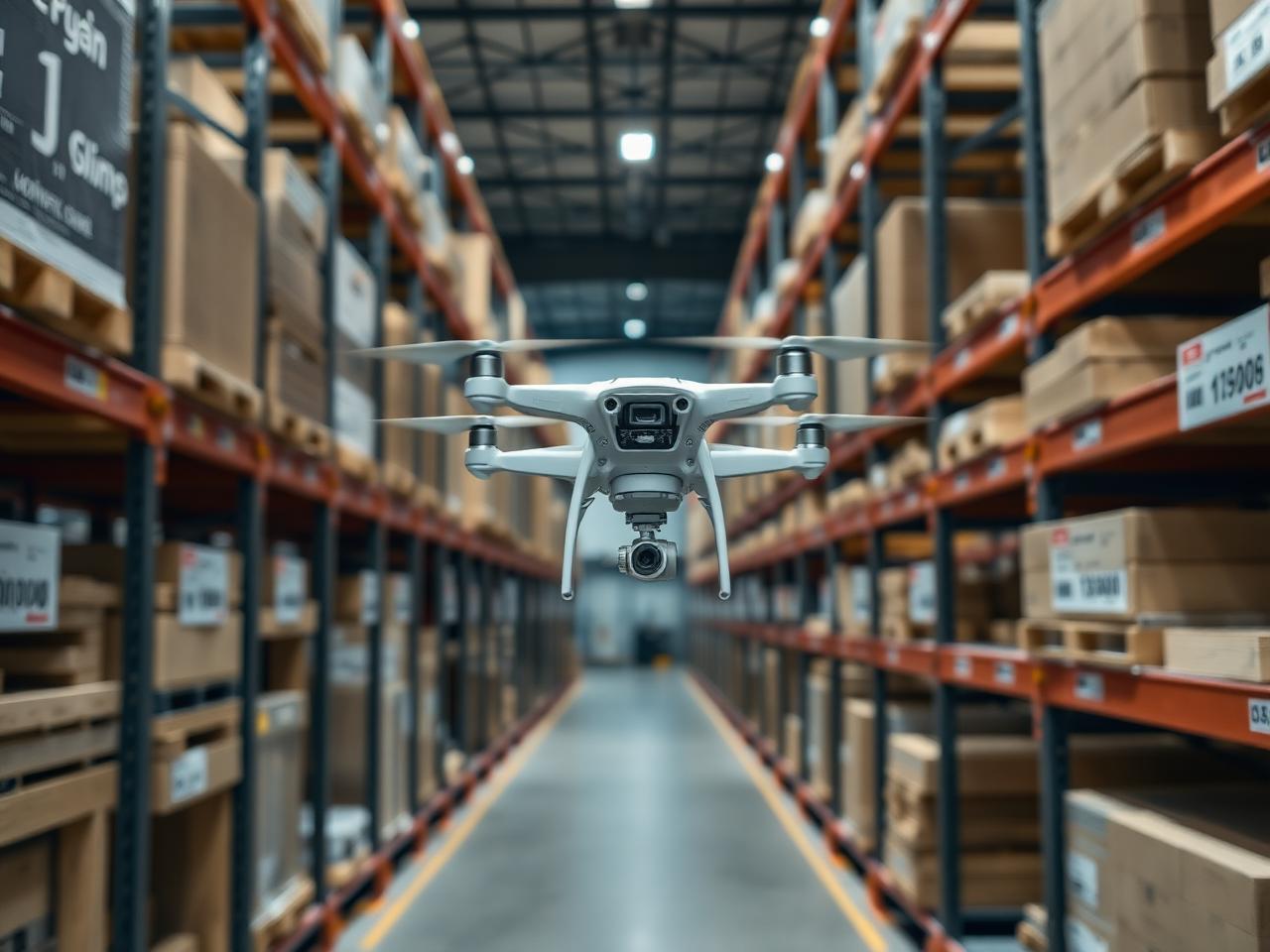
Asset & installed-equipment verification
08

RGB · barcode/RFID · SLAM/UWB

Asset & installed-equipment verification

Prefab shops, staging areas and MEP rooms reconciled to submittals and the owner asset register. Proven in logistics, still a specialty service in construction.

Pricing signal
Managed service / pilot program
Revenue potential
Medium

Cost of not catching it

est. $300M–$1B / yr

U.S. construction equipment theft, with under 25% of stolen equipment ever recovered.

Copper wiring theft adds an estimated ~$1B/yr on top (U.S. Department of Energy data, cited across 2025–2026 industry security roundups). Average loss per incident runs about $30,000 across more than 11,000 reported incidents a year (NER/NICB; Construction Equipment Guide, 2025). A routine flown pass over a prefab yard or staging area reconciled to the owner asset register turns "missing since when?" into a dated exception report.

Source: National Equipment Register / NICB (2014 baseline — still the most-cited figure; treat as estimated, not current)

Hardware

Two cutting-edge sensor stacks cover almost every site condition

Every aircraft is visibly equipped with multiple cameras, LiDAR, thermal sensing, rangefinding and all-direction obstacle awareness—not a basic single-camera drone.

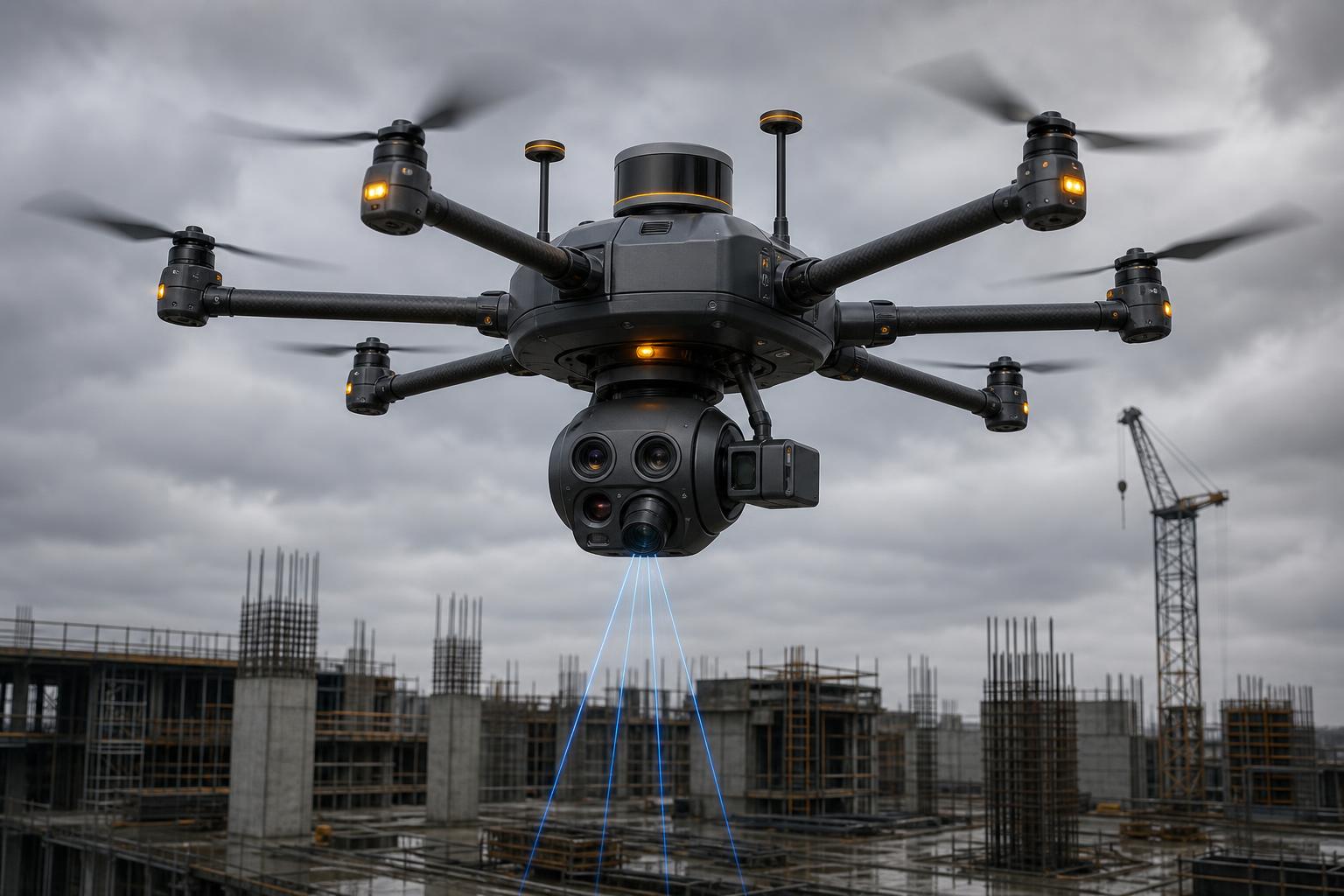
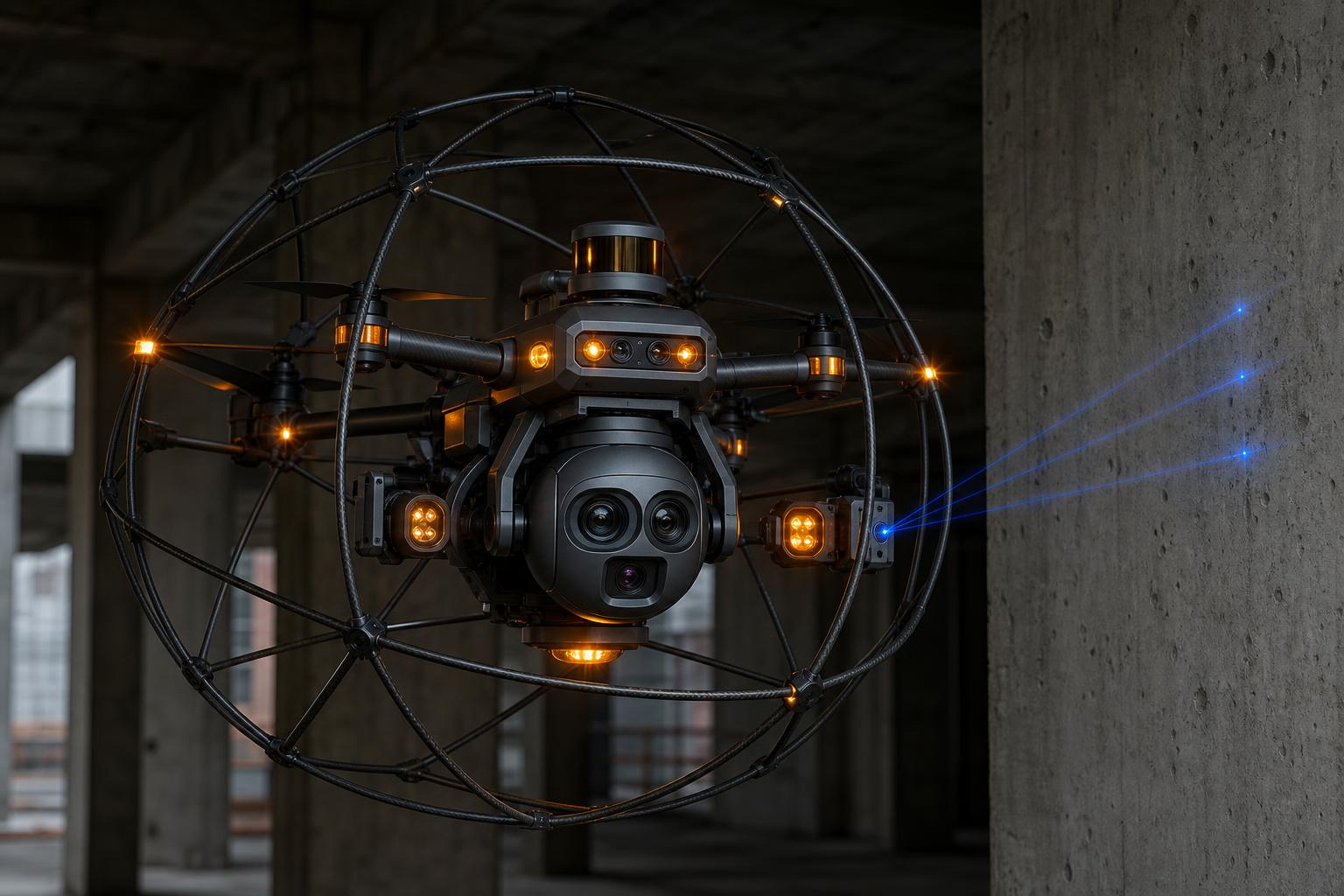
Stack 01 · Exterior multisensor construction inspection drone with multiple cameras and sensors

Stack 01 · Exterior multisensor

A spherical payload combines dual RGB cameras, 56× optical zoom, radiometric thermal imaging and a laser rangefinder. A top-mounted LiDAR puck, RTK antennas and six-direction obstacle sensors add precise geometry, positioning and collision awareness for roofs, facades, yards and progress capture.

  • Dual RGB + 56× zoom
  • Radiometric thermal
  • LiDAR + laser rangefinder
  • RTK + obstacle vision
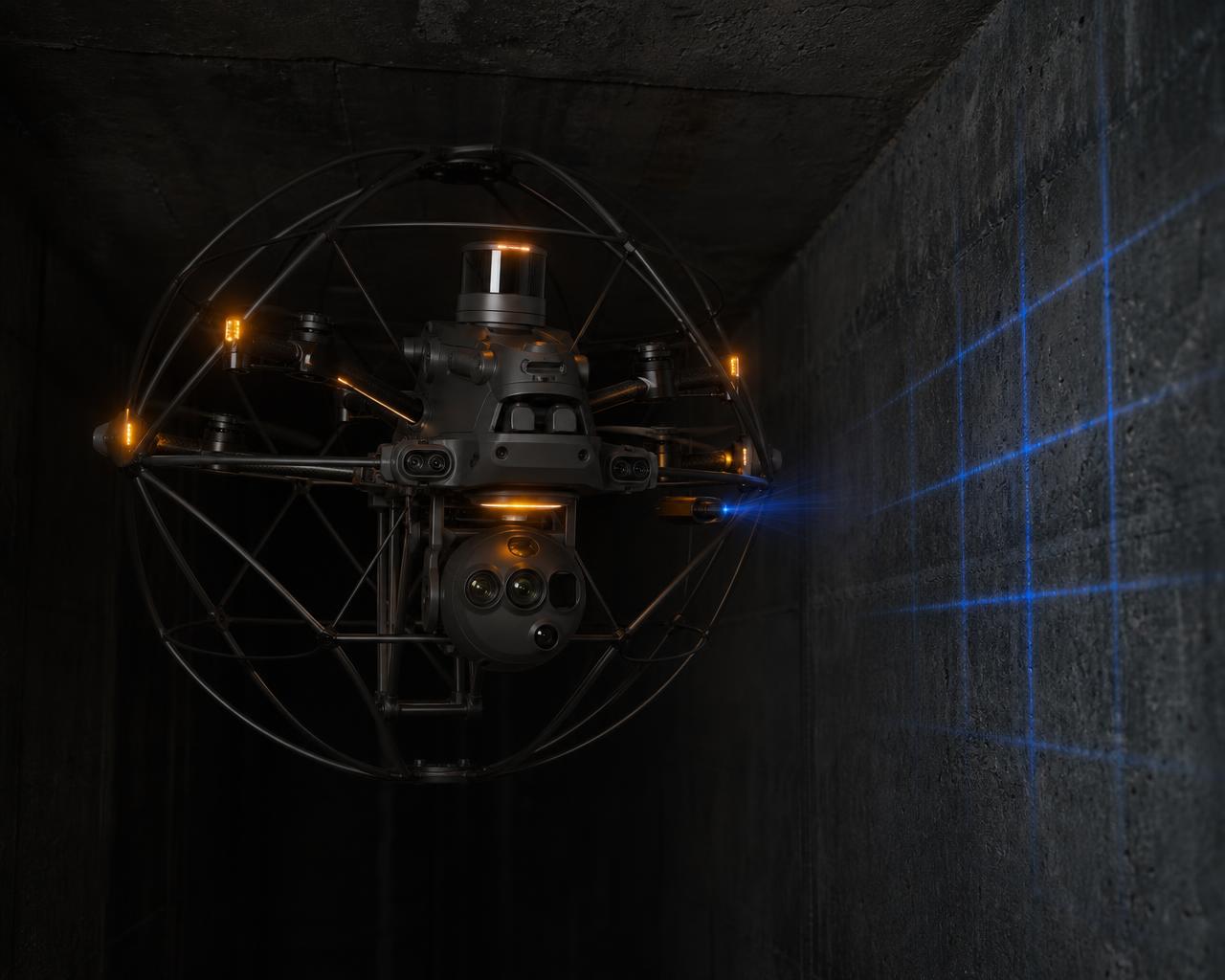
Stack 02 · Indoor autonomous scan construction inspection drone with multiple cameras and sensors

Stack 02 · Indoor autonomous scan

A protected airframe carries a multi-lens sensor ball, 360° LiDAR, visual-inertial SLAM, depth cameras, ultrasonic proximity sensors and high-output lighting. It maps framing, MEP and confined spaces without GPS while continuously avoiding structure.

  • Dual RGB + depth vision
  • 360° LiDAR + SLAM
  • Thermal + proximity
  • Floodlights + collision cage

Deployment order

Sell documentation first. Buy the caged drone last.

01

Roofs, facades, progress

One compact RGB + thermal stack, public market rates, broadest buyer pool. Amortize hardware at a weekly cadence.

02

Thermal & envelope audits

Same aircraft class, higher ticket. Requires scheduling discipline around thermal contrast and registration quality.

03

Indoor LiDAR & scan-vs-BIM

Add caged hardware once hazardous-access and high-MEP-density work is steady enough to keep it utilized.

04

Gas payloads & inventory

Phase three. Only with a captive buyer — a prefab factory, warehouse operation or energy-focused portfolio.

Drone with floodlights navigating a dark concrete shaft

Regulation & limits

Indoor does not mean safe, and gas sensing does not mean intrinsically safe

Airspace

Indoor-only flight sits outside Part 107. The moment work moves to a roof, courtyard or urban facade, certification, registration and Remote ID apply.

Site controls

Restricted operating zones, spotters, pretask hazard analysis and explicit interfaces with existing work-at-height and confined-space plans.

Technical limits

Gas payloads are supplementary only. UWB degrades without line of sight. Vision autonomy still needs light and usable texture.

Current customers

Contractors flying these programs today

Construction 95 LLC logo

Construction 95 LLC

Rebar & slab verification, concrete truck dwell tracking

I.S. Contractors of America logo

I.S. Contractors of America

Framing, plumbing rough-in and fitting verification

Nest Construction LLC logo

Nest Construction LLC

Scaffolding and perimeter sweeps, warehouse merchandise counting

Scaffold & perimeter program logo

Scaffold & perimeter program

06:00 pre-shift sweeps, bay-level exception lists

All findings for every account are routed to that company’s own superintendent, PM and foreman only.